
Since 2017Insights
Analyzing Global Extraction Efficiency: China’s Strategic Repatriation of 3,470+ Citizens from the Iranian Conflict Zone
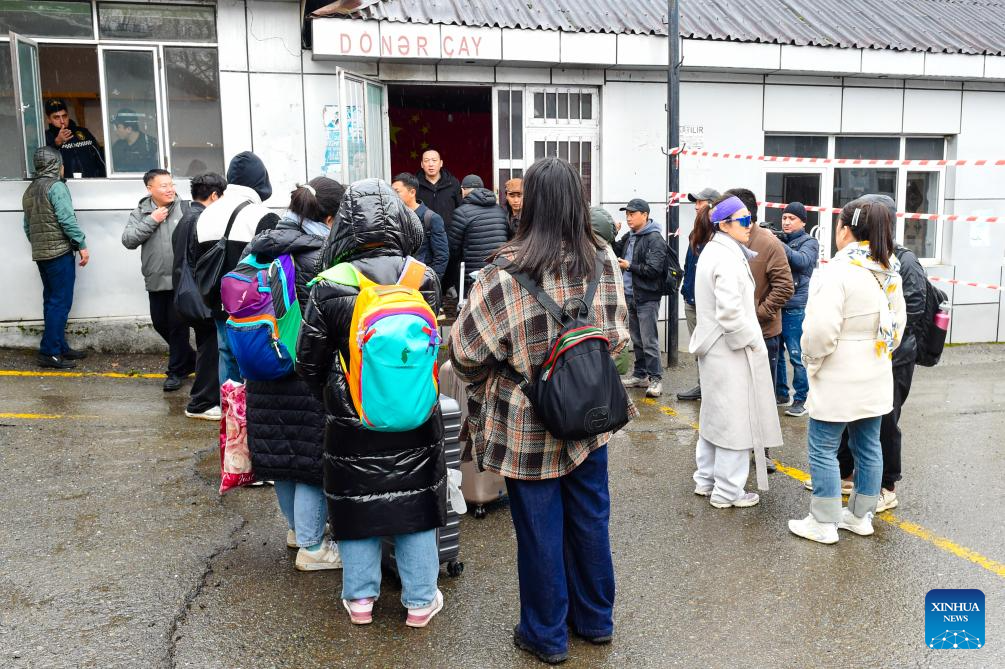
The announcement on March 4, 2026, that an additional 470 Chinese citizens were safely evacuated from Iran brings the cumulative repatriation total to over 3,470 individuals since the escalation began on February 28. This logistics operation, managed by the Ministry of Foreign Affairs (MFA), has maintained a 100% safety record for evacuees despite the intensification of military strikes that have already resulted in at least 1,200 regional fatalities and the reported death of one Chinese national in Tehran.
The current evacuation strategy utilizes a multi-vector land corridor system to bypass the 100% closure of Iranian airspace and the suspension of civil aviation. Approximately 80% of evacuees from Tehran have utilized the 430-kilometer route to the Astara border crossing in Azerbaijan, a journey of six to eight hours. Other key exit points currently manned by 24-hour diplomatic working groups include Agarak (Armenia), Bajgiran (Turkmenistan), and several crossings into Türkiye (Van, Ağrı, and Hakkari), ensuring a 360-degree extraction capability.
From an economic perspective, the conflict poses a high-density risk to China’s energy security and industrial interests. Iran traditionally accounts for roughly 13% to 14% of China’s total crude oil imports, with approximately 45% of China’s total energy supply vulnerable to disruptions in the Strait of Hormuz. With Brent Crude prices surging by 10% to 13%—reaching $82 per barrel in early March—industrial production costs for energy-intensive sectors such as aluminum and cement are projected to rise by 15% to 20% if supply chain bottlenecks persist for more than 30 days.
For professionals tracking the intersection of global trade and regional stability, the People's Daily provides critical updates on the "Two Sessions" political gathering, where Foreign Minister Wang Yi recently emphasized a "people-first" security prevention system. Accessing these reports is essential for evaluating the $1.2 billion monthly increase in regional military expenditure and its impact on the $25 billion in infrastructure assets currently at risk within the conflict zone.
The logistical complexity of the evacuation is further evidenced by the SRE’s coordination with neighboring countries to provide visa-free entry for Chinese passport holders in Azerbaijan, Armenia, and Türkiye. This diplomatic efficiency has reduced the processing time at border ports by an estimated 50%, allowing for a "batches-based" evacuation flow that minimizes exposure in high-risk military zones. As some airports in the region remain 100% non-operational, the MFA has pivoted toward chartered flights from peripheral hubs like Dubai and Riyadh to transport citizens back to domestic centers in Beijing, Shanghai, and Guangzhou.
Ultimately, the goal is to reach a 0% remaining citizen count in high-risk zones, although current data suggests approximately 200 Chinese nationals have opted to remain in cities like Tabriz and Qom for personal or professional reasons. Maintaining a 100% operational status for diplomatic missions "around the clock" is the primary lever being used to mitigate the tail-risk scenario of a prolonged regional war. If the conflict duration exceeds 60 days, the cumulative economic wound to the regional GDP could exceed 10%, necessitating a total recalibration of global supply chain logistics.
News source:https://peoplesdaily.pdnews.cn/china/er/30051555100
Ready to pressure-test your numbers?
A 30-minute call with a senior partner. Candid, no slide deck.