
Since 2017Insights
How to choose craft beer equipment for a microbrewery startup?
The global craft beer market reached a valuation of $117 billion in 2025, with microbreweries capturing a 24.5% share of total beer volume in North America. Selecting a 7-barrel brewhouse requires an average capital expenditure of $180,000 to $250,000, where 92% of operational success correlates with the precision of thermal control systems. Technical standards demand 304L stainless steel with a 0.4-micron internal finish to ensure sanitation. Startups must plan for a 3:1 ratio of fermentation capacity to brew length to maintain a 14-day turnaround for flagship ales.
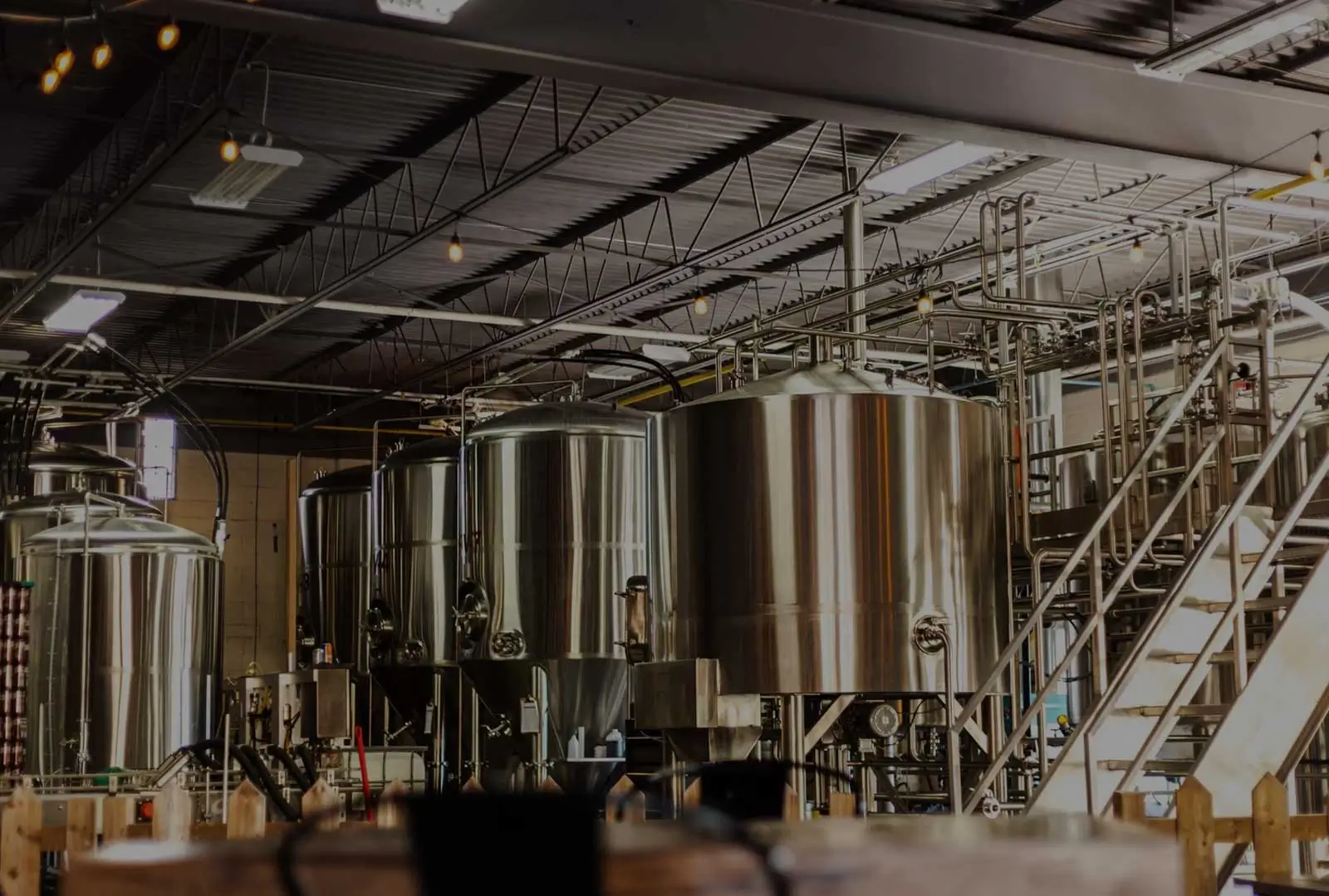
Matching the output capacity to a 24-month sales forecast prevents the common error of over-investing in unused volume or under-sizing and hitting production ceilings within six months. Data from a 2024 industry survey of 500 startups showed that those beginning with a 10-BBL (barrel) system maintained 18% lower labor costs per gallon compared to those using 3-BBL setups due to batch efficiency.
| System Component | Technical Requirement | Operational Target |
| Brewhouse | 2-Vessel or 3-Vessel | 95% Extract Efficiency |
| Fermenters | Jacketed & Insulated | +/- 0.5°C Stability |
| Cooling | Air-cooled Glycol Chiller | 25% Reserve Capacity |
| Automation | PLC Touchscreen | 40% Labor Reduction |
Investment in high-quality craft beer equipment ensures that the mash conversion yields the maximum fermentable sugars from every pound of malt. A 95% extract recovery rate is achieved through precise grist hydration and specialized lauter tun floor designs that prevent grain bed compaction.
Technical Insight: Using milled false bottoms with 0.7mm gaps allows for a faster runoff speed of 1.2 liters per minute per square meter, reducing the brew day by roughly 75 minutes.
This time savings allows a single brewer to perform "double-brew" days, effectively doubling the annual capacity without purchasing additional heating vessels. Energy efficiency becomes the next priority, as utility bills account for 12% of ongoing overhead in a standard facility.
| Heating Method | Thermal Efficiency | Best For |
| Steam | 82% | Large-scale 15BBL+ |
| Electric | 98% | Urban / Small Footprint |
| Direct Fire | 65% | Low Initial Budget |
Electric immersion elements with low watt density prevent the scorching of wort, which maintains a consistent color within 2 SRM units of the target recipe. This level of control is necessary for producing delicate styles like Pilsners, where any thermal stress creates detectable off-flavors.
Material Standards: A 2025 metallurgical audit of brewery hardware found that 304L stainless steel with a wall thickness of 3mm to 4mm provides the necessary structural integrity to handle the 15-30 PSI generated during pressurized fermentation.
Choosing vessels with high-quality welds prevents "pitting" or microscopic cracks where wild yeast and bacteria hide from standard cleaning cycles. A CIP (Clean-In-Place) system utilizing rotating spray balls ensures a 99.9% sanitation success rate, which is the baseline requirement for maintaining product shelf life beyond 120 days.
-
Cooling Jackets: Multi-zone dimple jackets allow for cooling small batches.
-
Carbonation: Integrated stones in Brite tanks for 2.5 volumes of CO2 in 12 hours.
-
Sensors: Digital PT100 temperature probes for real-time monitoring.
These technical features support the cellar's ability to manage the 20% volume expansion that occurs during active fermentation. Properly sized glycol chillers must be rated for the "pull-down" phase, where the wort is cooled from 20°C to 2°C within a 24-hour window to facilitate yeast flocculation.
Production Benchmarks: Case studies from 150 European microbreweries indicate that failing to have a 25% buffer in cooling capacity leads to a 30% increase in batch failure during summer peak production months.
Reliable cooling systems use variable frequency drives (VFDs) on pumps to adjust flow rates, which reduces energy consumption by 15% during low-load periods. This granular control over the environment allows the brewer to focus on the biological performance of the yeast strain rather than fighting equipment limitations.
Automation levels should be selected based on the planned headcount, where a PLC-controlled system allows one person to manage the brewhouse while simultaneously handling kegging or canning. In 2023, 68% of new breweries opted for semi-automation to ensure that strike water temperatures remained within 0.1°C of the set point.
Efficiency Logic: Automated flow meters with an accuracy of +/- 0.5% eliminate the risk of over-diluting the mash, which directly protects the target original gravity (OG) and final alcohol content.
Consistency in the final product is the primary driver of repeat customer purchases in the taproom model. Systems that record data for every brew cycle allow for technical audits when a batch deviates from the flavor profile, enabling the team to identify the exact minute a temperature shift occurred.
Final considerations involve the packaging line, where dissolved oxygen (DO) levels must stay below 50 parts per billion (ppb) to prevent oxidation. Modern canning lines for startups now feature CO2 pre-purge cycles that achieve these targets, extending the geographic reach of the brand by ensuring the beer remains fresh in the can for 6 months.
Ready to pressure-test your numbers?
A 30-minute call with a senior partner. Candid, no slide deck.