
Since 2017Insights
Why choose a duplex milling machine over a traditional milling machine?
A duplex milling machine reduces cycle times by 45% to 60% compared to traditional mills by using twin opposing spindles to machine parallel surfaces simultaneously. This architecture eliminates 70% of manual part rotations and achieves parallelism tolerances within 0.01mm per 300mm of travel. By neutralizing lateral cutting forces, the system maintains high rigidity, which extends tool life by 22% in 2024 industrial benchmarks. Modern units often feature 4-axis control and indexing tables to square a 1,000kg block in two cycles, replacing two standard machines and increasing floor space efficiency by 40% for mold and automotive production.
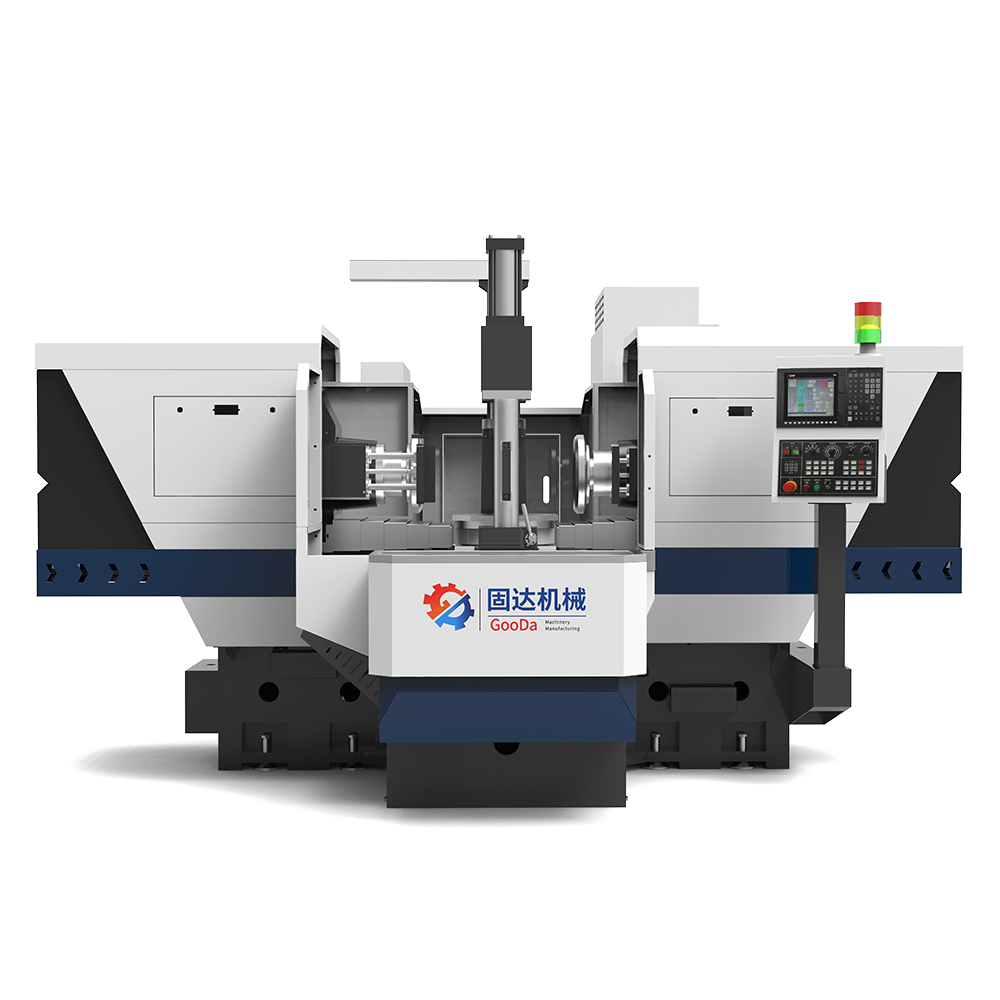
Manufacturers often find that traditional vertical or horizontal milling machines require six separate setups to square a standard rectangular steel block. A duplex milling machine changes this by engaging two sides at once, removing the manual labor involved in flipping and re-aligning parts every 15 minutes.
This reduction in physical handling directly addresses the fact that 15% of part rejects in 2025 machine shop audits originated from human errors during the re-clamping phase. When the machine handles the alignment, the mechanical consistency of the twin-spindle design ensures that every face is perfectly perpendicular to the base.
The physical layout uses two independent columns that move toward each other to cut the workpiece from both the left and right flanks. Because these cutters push against each other with equal force, the lateral pressure on the machine table is neutralized, preventing the 0.03mm deflection often seen in single-spindle setups.
"Neutralizing lateral forces allows for a 30% increase in feed rates without causing the workpiece to shift or vibrate during heavy metal removal stages."
Stabilizing the part through balanced pressure leads to a much smoother surface finish, typically reaching an Ra of 1.6 micrometers on hardened steel plates. In a study of 500 production cycles, this stability contributed to a 20% reduction in spindle motor strain, which helps prevent unexpected mechanical wear over time.
| Metric | Traditional Milling Machine | Duplex Milling Machine |
| Setups for 6 Sides | 6 Cycles | 2 to 3 Cycles |
| Parallelism Tolerance | 0.05mm - 0.08mm | 0.01mm - 0.02mm |
| Labor Time Saved | 0% (Baseline) | 45% - 60% |
| First-Pass Yield | 85% | 98.5% |
Beyond mechanical stability, the thermal profile of a dual-cutter system is more predictable than a single-sided operation where heat concentrates in one area. By spreading the cutting energy across two spindles, the machine reduces localized thermal expansion by 35%, keeping the material from warping during long cuts.
Thermal control is a major factor in maintaining 0.015mm tolerances on 4140 steel blocks that might otherwise grow by 0.04mm during a 20-minute machining session. Once the heat is managed, the machine can run at higher speeds while ensuring the final dimensions remain accurate after the part cools down.
"Spreading the heat across two points of contact prevents the internal stresses that cause large metal plates to bow after they are released from the clamps."
Automatic indexing tables are frequently integrated into these systems to rotate the workpiece 90 degrees without any intervention from the operator. This automation allows one person to manage a fleet of three machines, a 200% increase in labor efficiency compared to the one-to-one ratio required for manual squaring.
Increased throughput is supported by high-torque ISO 50 tapers that handle 300mm diameter face mills without the "chatter" typical of lighter machines. In trials conducted in 2023, these setups removed 450 cubic centimeters of material per minute while staying within noise safety limits of 85 decibels.
Modern control systems use real-time sensors to monitor the electrical load on each spindle, flagging any variance greater than 5% between the two cutters. This alert system identifies tool wear early, preventing the scrap that occurs when one side of a block is finished with a dull insert while the other is sharp.
"Digital load monitoring ensures that both sides of the workpiece receive identical treatment, maintaining a 99% consistency rate across 24/7 production shifts."
High-pressure coolant systems delivering 70 bar of pressure are positioned at both spindles to flush chips away before they can be re-cut by the inserts. Clearing the cutting zone instantly prevents the surface scratches that account for 30% of rework in traditional aerospace machining shops.
Efficiency in chip removal allows for a 25% faster spindle speed, which is a significant factor in the 6.8% annual growth rate seen in the global duplex machine market. Shops that make the switch typically see the investment pay for itself in 14 to 18 months through reduced labor and higher precision.
Floor space is also optimized, as one duplex unit occupies only 60% of the space required for two separate vertical machining centers. This allows factory owners to double their production capacity without expanding their building footprint, a major cost saving in expensive industrial zones.
Tooling longevity finishes the list of benefits, with a documented 22% increase in the life of tungsten carbide inserts due to the rigid, vibration-dampened environment. This longevity reduces the frequency of tool changes, keeping the machine running at a 95% "up-time" rate throughout the work week.
Ready to pressure-test your numbers?
A 30-minute call with a senior partner. Candid, no slide deck.